
Hair loss in the crown area is often one of the most noticeable and challenging forms of hair thinning, especially when it progresses into advanced stages. The crown region naturally has a swirl pattern, which makes thinning more visible as density reduces. In this context, Crown Hair Transplant in Dubai is widely discussed as a targeted approach that focuses on restoring density in the crown area, helping improve overall scalp coverage and visual balance in major hair loss cases.
Understanding Major Crown Hair Loss
Major crown hair loss refers to significant thinning or baldness in the top back portion of the scalp. This area is particularly prone to gradual hair loss due to genetic factors and hormonal influence. As the condition progresses, the scalp becomes more visible, and the natural hair swirl pattern weakens. This makes the crown appear less dense, often affecting overall hair aesthetics and balance.
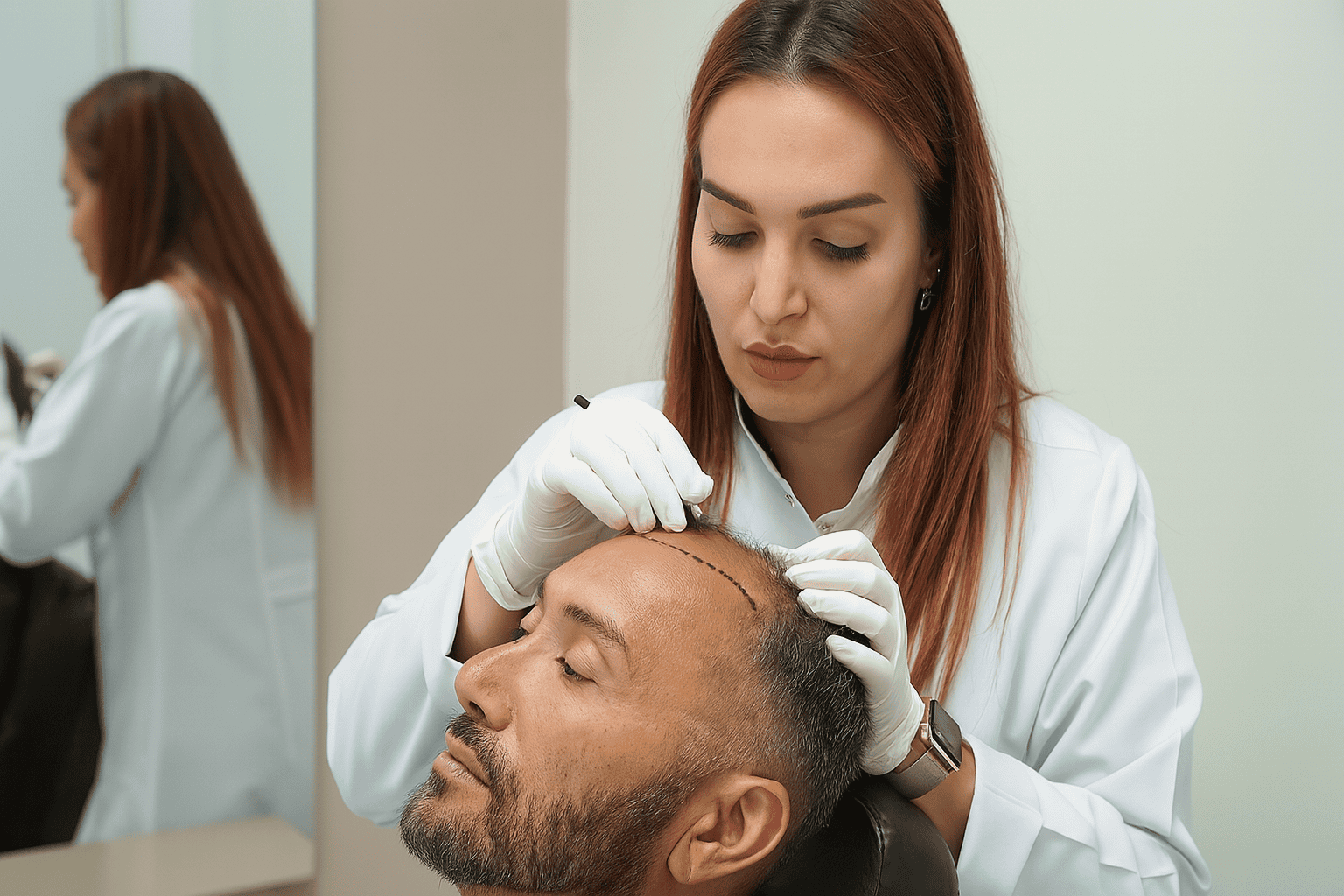
Why Crown Hair Loss Is Difficult to Manage
Crown hair loss is difficult to manage because the area has a unique growth pattern and requires higher density to appear naturally full. Unlike frontal hair loss, the crown often needs careful placement of hair to match natural direction and swirl. Additionally, advanced hair loss in this region usually means a higher number of follicles are affected, making restoration more complex and strategic.
How Crown Hair Transplant Addresses Major Hair Loss
- Helps restore density in severely thinning crown areas
- Improves natural scalp coverage in bald or sparse regions
- Recreates natural hair growth direction and swirl pattern
- Enhances overall hair balance across the scalp
- Supports long-term improvement in visual hair fullness
Effectiveness of Crown Hair Transplant
Crown hair transplant is considered effective in improving appearance in major hair loss cases, especially when performed with proper planning and technique. It helps redistribute healthy hair follicles into thinning areas, allowing the crown to regain a fuller look. The effectiveness depends on the severity of hair loss, donor hair availability, and individual scalp condition, but significant visual improvement is often achieved.
Importance of Density in Crown Restoration
Density plays a crucial role in crown restoration because the area naturally requires a higher concentration of hair to look full. Even small gaps in this region can appear more visible due to the spiral growth pattern. A successful crown transplant focuses on creating balanced density that blends naturally with surrounding hair, improving overall scalp uniformity and appearance.
Key Ways Crown Transplant Improves Appearance
- Restores natural fullness in the crown area
- Reduces visible bald patches on the scalp
- Improves symmetry and hair distribution
- Enhances overall scalp coverage and balance
- Recreates natural hair direction and flow
Why Natural Hair Direction Matters
The crown area has a unique circular growth pattern that requires careful attention during restoration. If hair direction is not properly aligned, the result may look unnatural or uneven. Crown hair transplant techniques focus on replicating this natural swirl pattern to ensure that the restored hair blends seamlessly with existing hair and maintains a realistic appearance.
Challenges in Major Hair Loss Cases
In severe crown hair loss cases, the main challenge is achieving sufficient density to cover large thinning areas. The extent of hair loss may require strategic planning to ensure that available donor hair is used effectively. Another challenge is ensuring that the restored area blends naturally with surrounding hair while maintaining long-term consistency in appearance.
Factors That Influence Effectiveness
Several factors affect how effective crown hair transplant is, including the extent of hair loss, quality of donor hair, and scalp condition. Individual hair characteristics such as thickness and texture also play a role in final results. Proper planning and realistic expectations are important for achieving balanced and natural-looking outcomes in major hair loss cases.
Benefits of Crown Hair Transplant
- Improves overall hair density in thinning crown area
- Restores natural scalp appearance and coverage
- Enhances confidence with improved hair aesthetics
- Creates balanced and uniform hair distribution
- Supports long-term improvement in hair appearance
Maintaining Results After Restoration
Maintaining results after crown hair restoration requires proper hair care and healthy lifestyle habits. Supporting overall scalp health helps preserve the appearance of transplanted hair. Regular care, balanced nutrition, and avoiding factors that contribute to further hair thinning are important for sustaining long-term results and ensuring continued improvement in hair density and coverage.
FAQ's:
How effective is crown hair transplant in major hair loss cases?
It is effective in improving density and restoring natural crown appearance.
Can it fully cover bald crown areas?
It significantly improves coverage but depends on hair loss severity.
Does it look natural?
Yes, when properly planned, it blends with natural hair direction.
Is crown area harder to restore than other areas?
Yes, due to its swirl pattern and density requirements.
Do results last long?
Yes, transplanted hair is typically long-lasting with proper care.
Conclusion
Crown Hair Transplant is an effective solution for major hair loss cases as it helps restore density, improve coverage, and recreate the natural swirl pattern of the crown area. While results depend on individual factors and severity of hair loss, it significantly enhances overall scalp appearance. With proper planning and maintenance, it offers a long-term improvement in hair fullness and visual balance.